
Weaving our Worlds
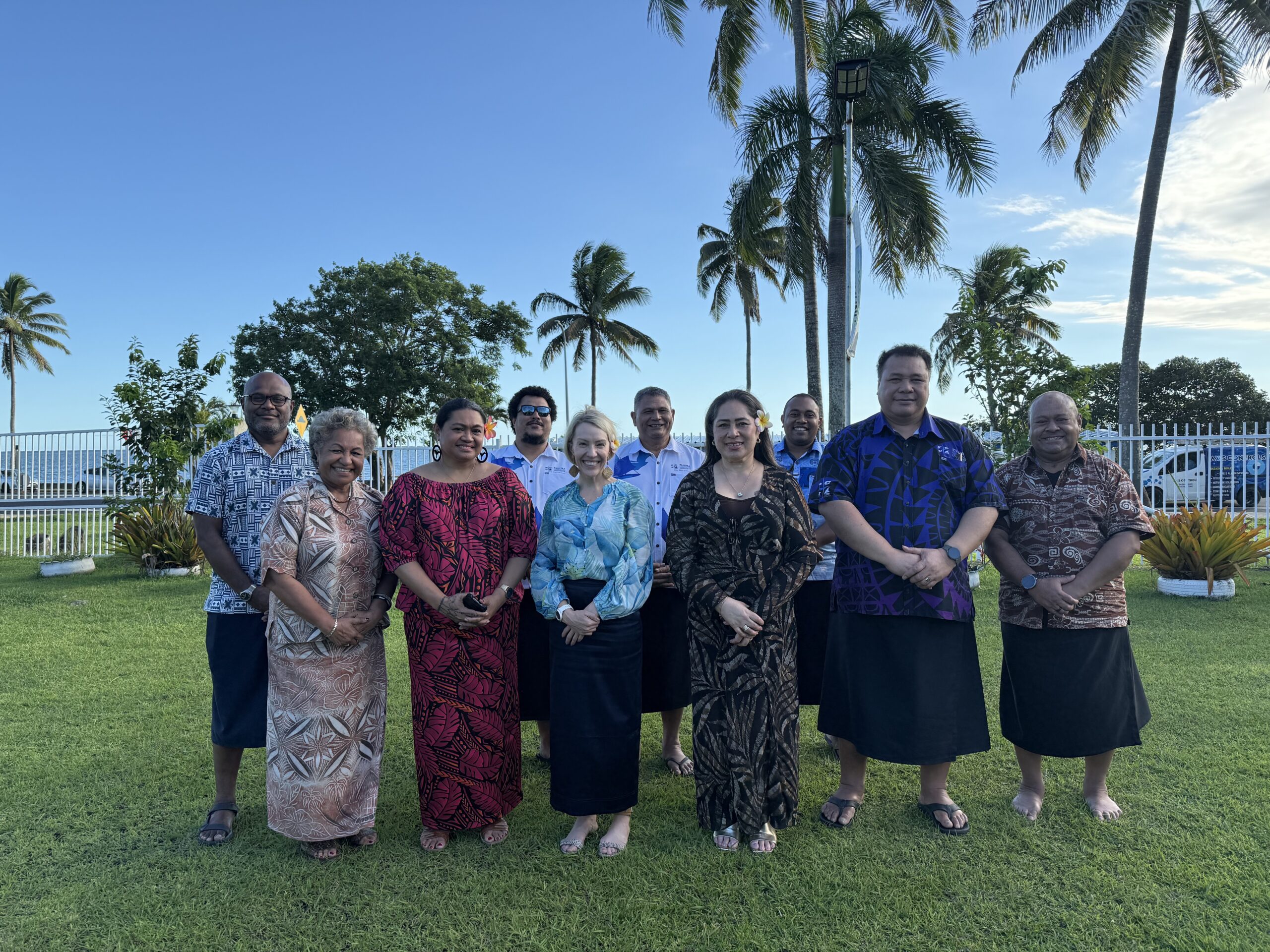
There is a quiet truth that sits beneath much of development work— one we have not always had the courage to name. For too long, those of us trained in Western systems have been taught to arrive with answers. Frameworks. Logframes. Certainty. We were taught to build. But not always to belong. I write this […]

Featured
recent posts
Across the Indo-Pacific, development organisations often focus on technical delivery and policy frameworks. Yet, the most decisive factor determining whether an initiative takes root or withers is rarely found in a project design document. It is Social Licence. At Malu Matriarchs Collective, we believe social licence is the “Malu” – the protective shelter granted by […]
recent posts
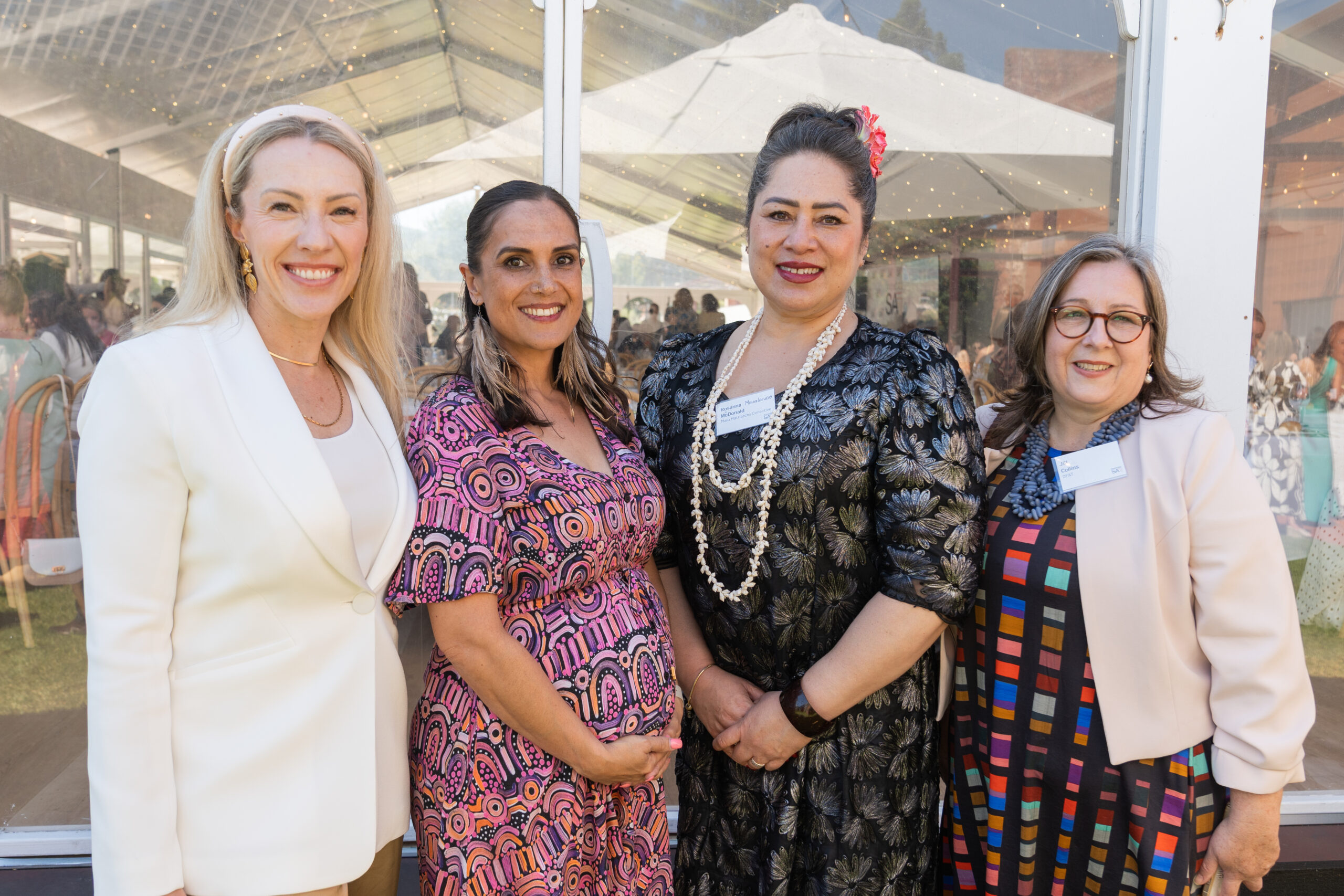
Across the Indo-Pacific, the systems that shape infrastructure, development and governance are undergoing profound change. Climate pressures are intensifying. Regional diplomacy is evolving. Communities are demanding development approaches that are more inclusive, more relational and more sustainable. At this moment of transition, Malu Matriarchs Collective has launched as a new First Nations and Pasifika enterprise — designed […]
/

Malu Matriarchs Collective acknowledges the First Peoples of Australia as the Traditional Custodians of the lands, waters and skies. We acknowledge that Country is not a resource to be owned, but a living authority — holding Lore, knowledge, kinship systems and responsibilities that have guided communities for tens of thousands of years, and we honour their ancestors whom have walked before them, their Elders present and the next generation of leaders. We recognise their deep enduring connection to this place, and their sovereignty that has never been ceded.
We also acknowledge the Indigenous Peoples of the Pacific, Southeast Asia and beyond, whose cultures, customary governance systems and relational ways of being continuing to shape their lands and communities. We honour the shared strength, resilience and wisdom of Indigenous peoples across the region.
Wherever we work, we commit to walking respectfully, upholding cultural authority, and ensuring our practice strengthens — rather than extracts from — the communities and Countries we engage with.
