
An Acknowledgement of Country is not a script. It is not a line to be delivered at the beginning of a meeting. It is not a requirement to be fulfilled because it sits inside a Reconciliation Action Plan. And it is not a performance to avoid getting wrong. An Acknowledgement of Country is a signal — of how you understand place, power and responsibility. It’s more than a protocol.
Today, the practice of Acknowledgement of Country is widely adopted across Australia. It is often positioned as a respectful act — and at its best, it is. But too often, it has become something else. We have all been in the room. We have all heard it. Words read from a generic script. Names mispronounced or rushed. A tone that signals obligation, not connection. And while that might be well-intended becomes transactional. A tick-the-box activity. Noise that loses its meaning the moment it is spoken. This is not what acknowledgement was meant to be.
An Acknowledgement of Country is an opportunity.
An opportunity to:
– learn about the local people
– understand the Country you are standing on
– recognise history — both strength and injustice
– and acknowledge the continuity of culture into the future
It is a moment to pause — what we at Malu call Vakatabu — and recognise that you are not separate from place, but situated within it. This is not symbolic. It is relational. But it is critical you know the difference between a Welcome and Acknowledgement. A Welcome to Country is a cultural authority. It can only be performed by the Traditional Custodians of the land.
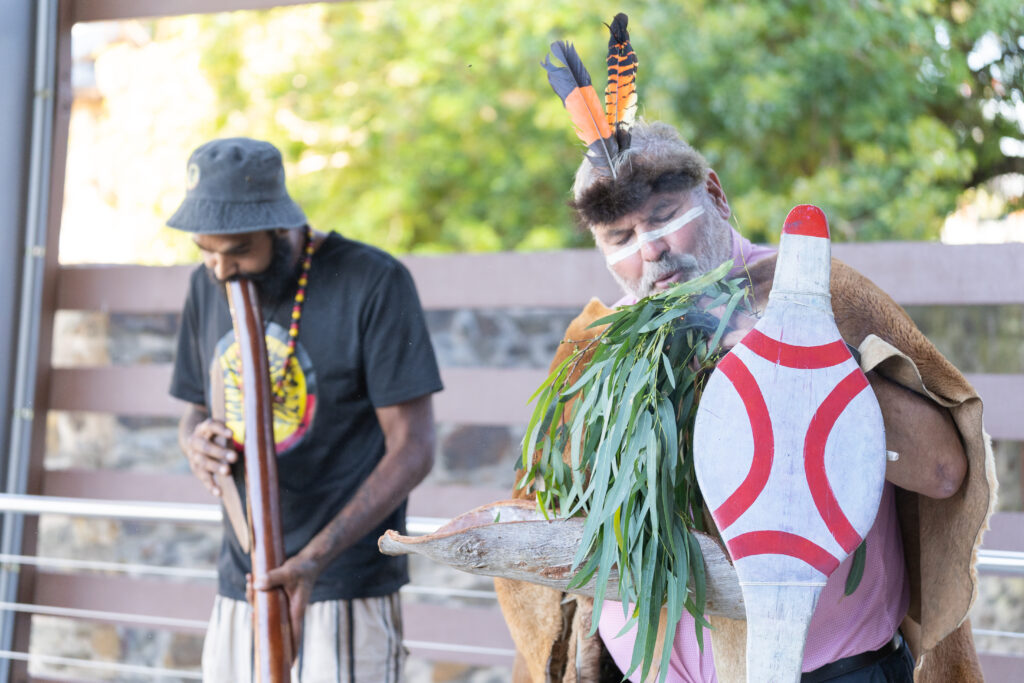
An Acknowledgement of Country can be given by anyone — but that does not make it casual. It is a responsibility. A moment of reciprocity. A demonstration that you understand whose Country you are on, and that you have taken the time to learn. We need to move from Tokenism to Practice, If we are serious about reconciliation, then acknowledgement cannot remain performative.
Education is a key part of that journey. Before you speak, take the time to understand:
– Who are the Traditional Custodians of the land?
– What is the history of this place?
– What is the original name of the Country?
– What are the community and custodians doing today to protect and continue culture?
Without over 60,000 years of care by Traditional Custodians, the Country we now call Australia would not exist as we know it. Acknowledgement is not about the past alone. It is about recognising ongoing custodianship.
Recently, I had the honour of opening an International Women’s Day event with an Acknowledgement of Country. Not as a script — but as a responsibility.
Here is how I approached it:
Arru (hello) everyone.
It is a privilege to join you today as we celebrate International Women’s Day. I am deeply honoured to acknowledge the Traditional Custodians of the land we gather on today — the Kaurna people. An Acknowledgement of Country is not tokenism. It is a deep sign of respect that extends across this land — grounded in protocols that have existed for over 65,000 years across the many Countries that now make up what we call Australia. It is about honouring First Nations wisdom, recognising rights to place on lands that were never ceded, and understanding how we live across multiple worlds, together. So today, I acknowledge the lore and custodians of this Country — Kaurna Country.
Antha Bron. Antha Nharla Arabana Udlyurla. Antha Arabana Wadhlu. I announce myself, my people and my Country. To the Kaurna custodians — your Ancestors, your Elders past and present, and your future generations — I pay my respects. This is your place. I respect your language, your lore, and I thank you for allowing me and all of us here today safe passage as we gather on your land and alongside your waterways. I acknowledge your enduring connection to Country — that this land remains unceded — and I recognise both the strength and the pain carried in your ongoing work to protect and preserve Kaurna Country, culture and the ways of your ancestors.
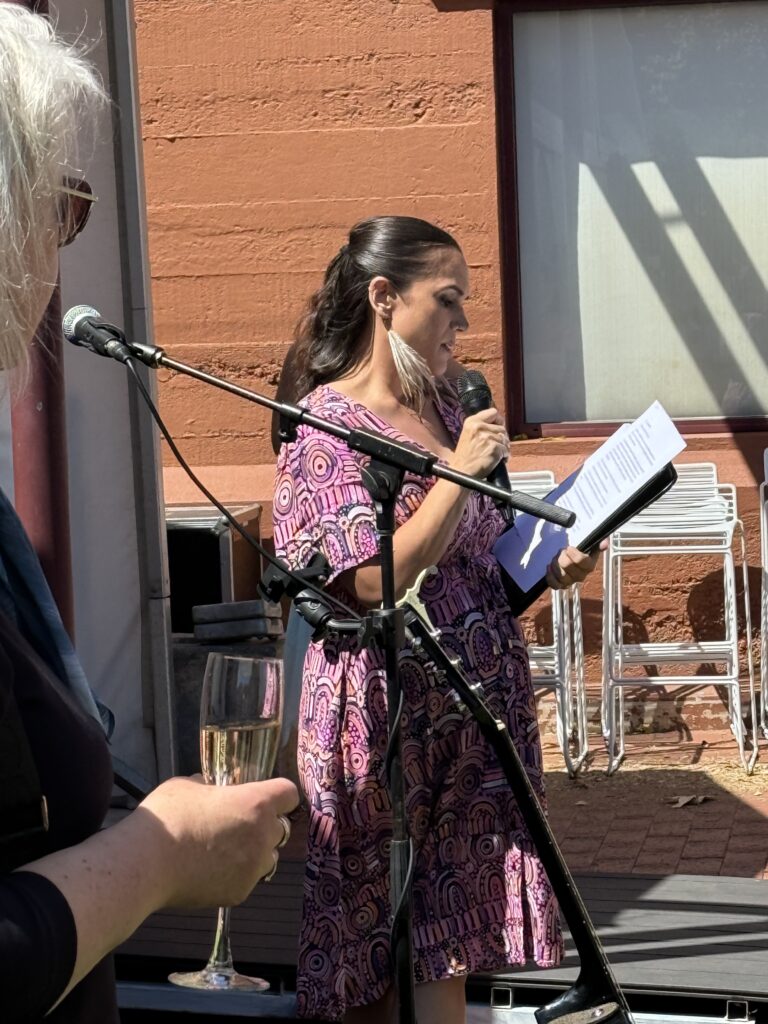
This is the difference. Not perfection. Not performance. But intention, respect and understanding. If there is one Simple Standard then it’s to make one shift : Do not make it transactional. Do not default to a generic script because you are unsure. Do not reduce it to something you need to “get through.” Instead, Take a few minutes. Learn something. Speak with intention. Because people can feel the difference.
At Malu Matriarchs Collective, we do not see Acknowledgement of Country as a protocol to be performed. We see it as a reflection of how organisations understand: cultural authority, relational accountability, – and their role within Country It is a small moment — but it reveals a great deal. This work is not always easy — and it is not meant to be. But it is necessary. Every moment of acknowledgement is an opportunity to learn, to connect and to do better.
If your organisation is ready to move beyond intention and into authentic, culturally grounded practice — connect with us today.
At Malu Matriarchs Collective, we provide advisory services to support organisations in designing and delivering reconciliation approaches that are genuine, respectful and embedded into how you operate.
We walk alongside you — ensuring that what is said is matched by what is done.
/

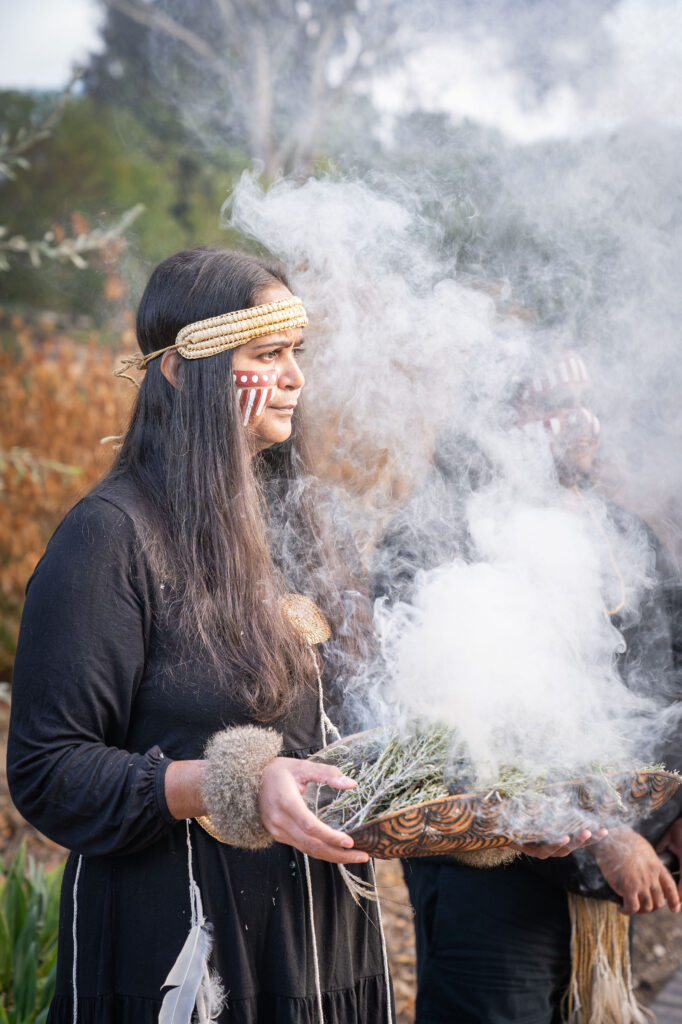
Malu Matriarchs Collective acknowledges the First Peoples of Australia as the Traditional Custodians of the lands, waters and skies. We acknowledge that Country is not a resource to be owned, but a living authority — holding Lore, knowledge, kinship systems and responsibilities that have guided communities for tens of thousands of years, and we honour their ancestors whom have walked before them, their Elders present and the next generation of leaders. We recognise their deep enduring connection to this place, and their sovereignty that has never been ceded.
We also acknowledge the Indigenous Peoples of the Pacific, Southeast Asia and beyond, whose cultures, customary governance systems and relational ways of being continuing to shape their lands and communities. We honour the shared strength, resilience and wisdom of Indigenous peoples across the region.
Wherever we work, we commit to walking respectfully, upholding cultural authority, and ensuring our practice strengthens — rather than extracts from — the communities and Countries we engage with.
